01Morning: Bookshops and Coffee
Start at the Kenya National Library Service on Ngong Road, a 15-minute walk from the Central Business District (CBD) or a short matatu ride. It opens at 8am, and the reading rooms are quiet until mid-morning. Entry is free for Kenyan residents; visitors pay a small fee. The collection includes Kenyan history and fiction. For buying books, Prestige Books on Kimathi Street and Text Book Centre on Kijabe Street are reliable; expect to pay between KSh 500 and KSh 1,500 for paperbacks. Skip the hotel gift shops, which stock little beyond magazines.
For coffee, Java House on Mama Ngina Street opens at 7am and serves a bottomless cup for around KSh 300. It is popular with office workers, so arrive before 9am for a window seat. If you prefer a local spot, the Kenya Coffee House on Kaunda Street sells single-origin beans and brews for KSh 200–350. Both are within a five-minute walk of each other, making a natural morning loop. I would book a hotel in the CBD to avoid commuting; properties along Muindi Mbingu Street or University Way put you within 10 minutes of these spots.
02Midday: A Walk Through History
From the coffee stop, walk to the Nairobi Gallery at the corner of Kenyatta Avenue and Uhuru Highway. Housed in a former colonial-era building, it displays contemporary Kenyan art; entry is by donation. Continue along Kenyatta Avenue to the Jeevanjee Gardens, a shady public park where you can sit and read. The gardens are safe during daylight hours, though keep valuables close. A few blocks north, the Nairobi National Museum on Museum Hill is a 20-minute walk or a short taxi ride (about KSh 300–500). Entry costs KSh 1,200 for non-residents, and it is worth two hours for its early hominid exhibits.
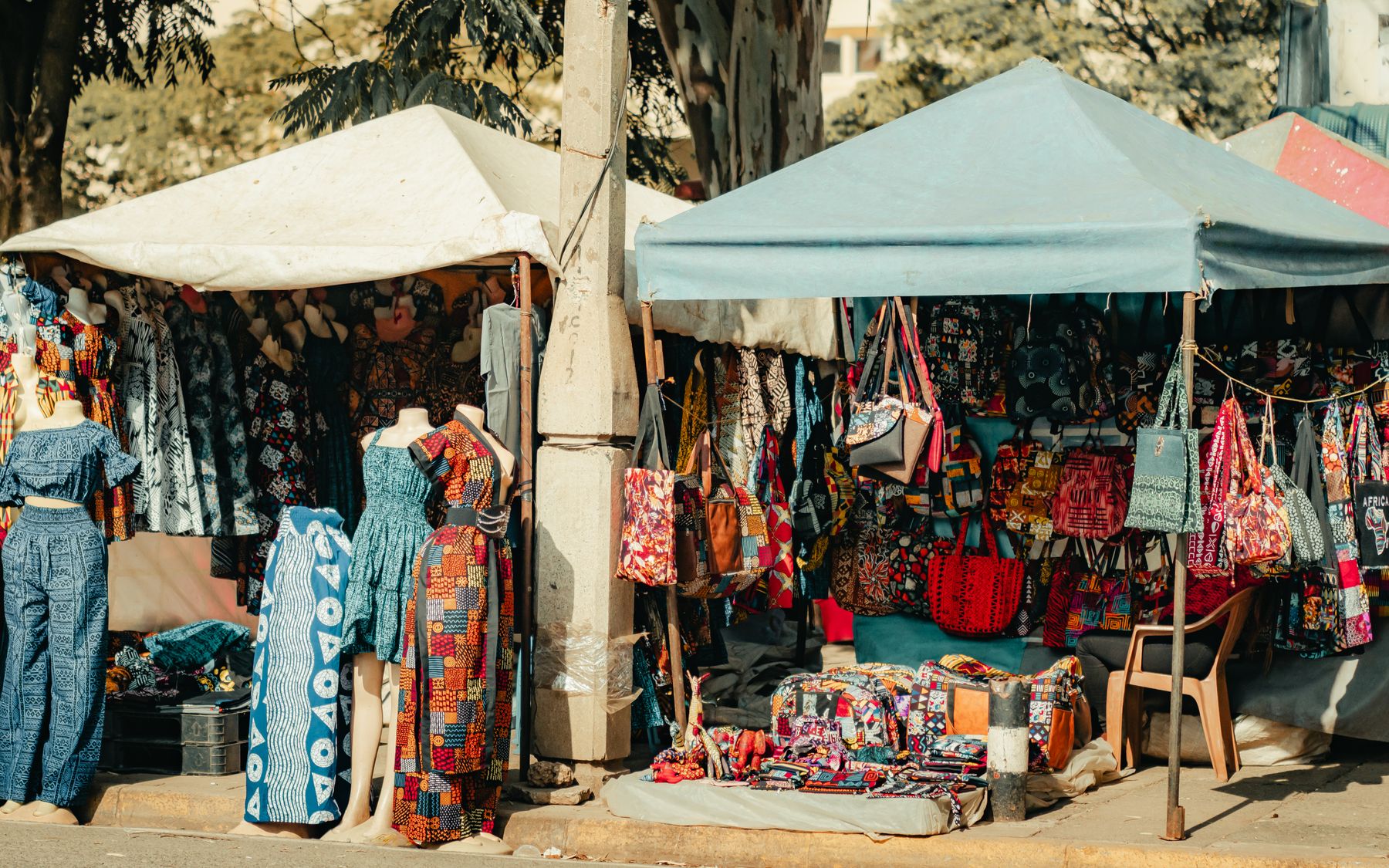
For lunch, avoid the tourist-oriented restaurants on Kenyatta Avenue and head to the Sarova Stanley hotel's Thorn Tree Café, where a main course costs around KSh 1,000–1,500. If you want something quicker, the food court at the nearby Hilton Arcade offers Kenyan dishes for KSh 500–700. After eating, stroll down Kimathi Street to the Maasai Market (held on Saturdays at the High Court parking lot), where you can browse crafts without pressure. I would skip the City Market on Muindi Mbingu Street unless you need fresh produce; it is crowded and not aimed at leisurely browsing.
03Afternoon: Parks and City Views
In the afternoon, walk or take a matatu to Uhuru Park, a 10-minute ride from the CBD. The park is free and offers lawns for reading and views of the city skyline. It is busiest on weekends; visit on a weekday for calm. From there, the Kenyatta International Convention Centre (KICC) is a 15-minute walk. For KSh 400 (resident) or KSh 1,000 (non-resident), you can take the lift to the helipad for a 360-degree view. Go after 3pm when the light softens. I would not bother with the nearby Railway Museum unless you are a dedicated railway enthusiast; it is small and poorly maintained.
If you need a quiet place to read, the Alliance Française on Loita Street has a library and café open to the public; a day pass costs around KSh 500. Alternatively, the Nairobi Serena Hotel's lounge on Processional Way offers a peaceful corner with coffee for about KSh 400. Both are within walking distance of the CBD hotels. For dinner, the options on Kilimani's Argwings Kodhek Road are a 15-minute taxi ride (KSh 500–700) and offer a wider choice than the city centre, which quietens after 7pm.
Where this page comes from
Desk research, not fieldwork. Nobody writing this stood on the corner with a stopwatch, and a page that implied otherwise would be the least trustworthy thing on the site. The specifics above came from here:
- Written for this site by its editor. No outside source is claimed for it.
Opening hours, ticketing and market days change. No hotel or operator pays to appear here.
04Questions
Is Nairobi Central safe for a leisurely walk during the day?+
Yes, the main streets and parks are generally safe during daylight hours, but avoid displaying valuables and stick to busy areas. Petty theft can occur, so keep bags zipped and close. After dark, take a taxi rather than walking.
What is the best month to visit Nairobi for a slow city break?+
January and February are warm and dry, ideal for walking. June to August is cooler and often overcast, but still pleasant. Avoid the long rains in April and May, when downpours can disrupt outdoor plans.
How do I get around Nairobi Central without a car?+
Most sights are within walking distance, but for longer hops, use taxis or ride-hailing apps like Uber and Bolt. Matatus are cheap but crowded and routes can be confusing. A taxi from the CBD to Uhuru Park costs around KSh 300–500.
Where can I find a quiet spot to read in Nairobi Central?+
The Kenya National Library Service on Ngong Road is free and quiet. The Alliance Française on Loita Street has a library and café with a day pass. Hotel lounges, such as the Serena's, also offer calm corners if you buy a drink.
What coffee shops are good for working or reading?+
Java House on Mama Ngina Street is reliable with ample seating and Wi-Fi. The Kenya Coffee House on Kaunda Street is smaller but serves excellent local brews. Both are central and open early.
Do I need to book attractions in advance?+
Major attractions like the Nairobi National Museum and KICC do not require advance booking for individuals; you can pay at the gate. However, check opening hours, as some close on public holidays.
What should I skip in Nairobi Central?+
The City Market is crowded and not ideal for browsing. The Railway Museum is small and rundown. Tourist-oriented restaurants on Kenyatta Avenue are overpriced; eat where locals do instead.
Why book a hotel in Nairobi Central rather than elsewhere?+
Staying in the CBD puts you within walking distance of bookshops, cafes, parks and landmarks, saving time and taxi fares. It also makes it easy to return to your room for a midday break, which suits a slow-paced day.