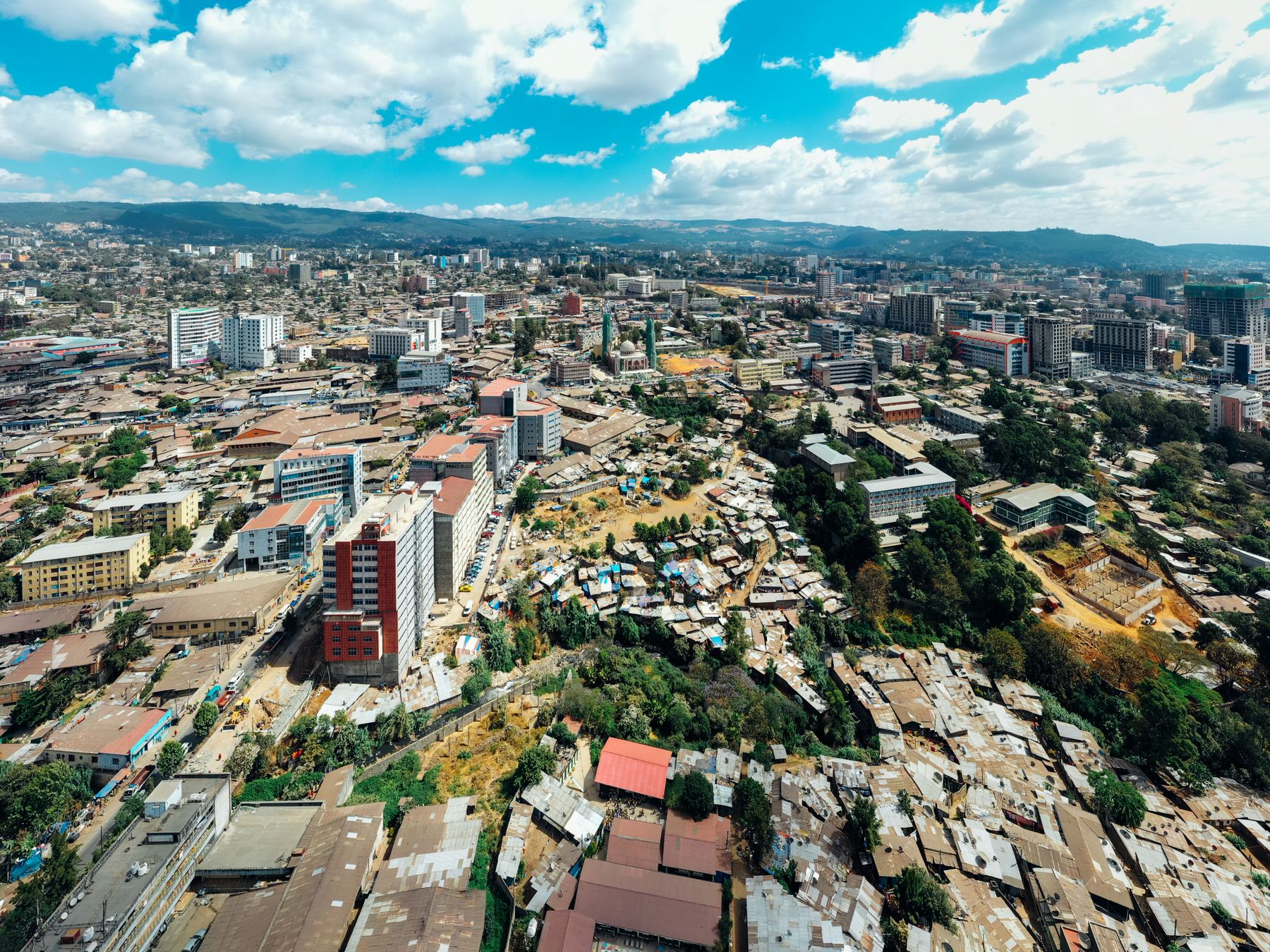
01January to March: Hot, Dry and Best for Walking the City
January and February are the warmest, driest months in Nairobi Central. Daytime temperatures around the central business district typically reach the high twenties Celsius, rain is scarce, and the skies over Uhuru Park and the Kenyatta International Convention Centre are usually clear. This is the best window for walking between City Hall, the Parliament Buildings and the National Archives on Moi Avenue. Hotel rates around Kimathi Street and Muindi Mbingu Street peak in late January when conferences fill the KICC, so book two to three weeks ahead. March stays warm but cloud builds through the afternoon.
If you are choosing between the three, I would book February. The January conference rush eases, the jacarandas along Kenyatta Avenue are still green and the light is good for photographs from the KICC viewing deck. Skip the last week of March if you can: the short dry spell ends and humidity starts to climb before the long rains. Commuter traffic on Mombasa Road and Waiyaki Way is heaviest on weekday mornings from 7am to 9am, so plan museum visits and the Nairobi Railway Museum for afternoons.
02April and May: Long Rains and Lower Room Rates
The long rains arrive in late March and dominate April and May. Expect heavy afternoon downpours, cooler evenings and muddy pavements around the City Market and along River Road. This is the quietest stretch for tourism, and central hotels drop to their lowest rates of the year. Many travellers avoid it, but if you are visiting for business or to see the Nairobi National Museum without crowds, it is workable. Pack a light rain jacket and waterproof shoes, and keep taxi numbers handy for short hops between Banda Street and your hotel.
May is marginally better than April, with rain often arriving in shorter bursts. I would book May over April if the trip has to fall in this period, and I would choose a hotel with covered parking and a reliable in-house restaurant so evenings do not depend on walking far. Avoid planning day trips toward Ngong Hills or Limuru on heavy-rain days, as road conditions slow the drive considerably. Roadside flooding around the Museum Hill interchange is common, so allow extra time for airport transfers to Jomo Kenyatta International Airport.
03June to September: Cool, Dry and Ideal for Day Trips
June through September brings the long dry season, cool mornings and clear views. Temperatures in the centre drop to the mid-teens Celsius at dawn, so a jacket matters if you are out before 8am. This is the season to base yourself centrally and take day trips: the David Sheldrick Wildlife Trust elephant orphanage in Langata, the Giraffe Centre in Karen, and Nairobi National Park are all within 30 to 45 minutes by car outside peak traffic. July and August are busiest with international visitors and prices rise accordingly.
August is my pick for a first visit. The weather is stable, the migration season in the Maasai Mara makes it easy to add a safari leg, and the city's restaurant scene is lively. Book hotels near Kenyatta Avenue or University Way at least a month ahead for August, as rooms fill quickly. Skip September's last week if you dislike crowds; it is still dry but the school-holiday traffic around Westlands and Parklands makes evening drives slow. The Nairobi Arboretum is at its best now for a quiet afternoon walk.
04October to December: Short Rains and the Festive Peak
October and November bring the short rains, usually lighter than the long rains and often confined to late afternoon and evening. Mornings remain pleasant and the city greens up quickly. December turns hot, dry and extremely busy as residents return home and festive travellers fill central hotels. Rates around Kimathi Street, Haile Selassie Avenue and the Upper Hill business district climb sharply in the final two weeks of December, and restaurants need booking. The Nairobi National Museum and the Karen Blixen Museum are quieter in October and early November.
I would choose early December over late December for value, or October if you want mild weather and fewer people. The week between Christmas and New Year is the most expensive and most congested period in Nairobi Central, and airport transfers can take twice as long. If your dates are fixed to that week, book accommodation three to four months ahead and confirm airport pickup with your hotel.
Where this page comes from
Desk research, not fieldwork. Nobody writing this stood on the corner with a stopwatch, and a page that implied otherwise would be the least trustworthy thing on the site. The specifics above came from here:
- Written for this site by its editor. No outside source is claimed for it.
Opening hours, ticketing and market days change. No hotel or operator pays to appear here.
05Questions
Which month is best for a first trip to Nairobi Central?+
February and August are the strongest choices. Both are dry, comfortable and good for walking the central streets and taking day trips. February is quieter for conferences; August suits travellers combining the city with a Maasai Mara safari.
How much do central Nairobi hotel rates change by season?+
Rates are highest in late December and during major conferences at the KICC, and lowest during the April and May long rains. Booking several weeks ahead, especially for August and the festive period, usually secures better availability in the Kimathi Street and Upper Hill areas.
Should I avoid Nairobi Central during the rains?+
Not necessarily. April and May bring heavy afternoon downpours and slower traffic, but hotels are cheaper and museums are quiet. Pack rain gear, plan indoor activities and avoid long road trips on the wettest days. October and November rains are lighter and easier to manage.