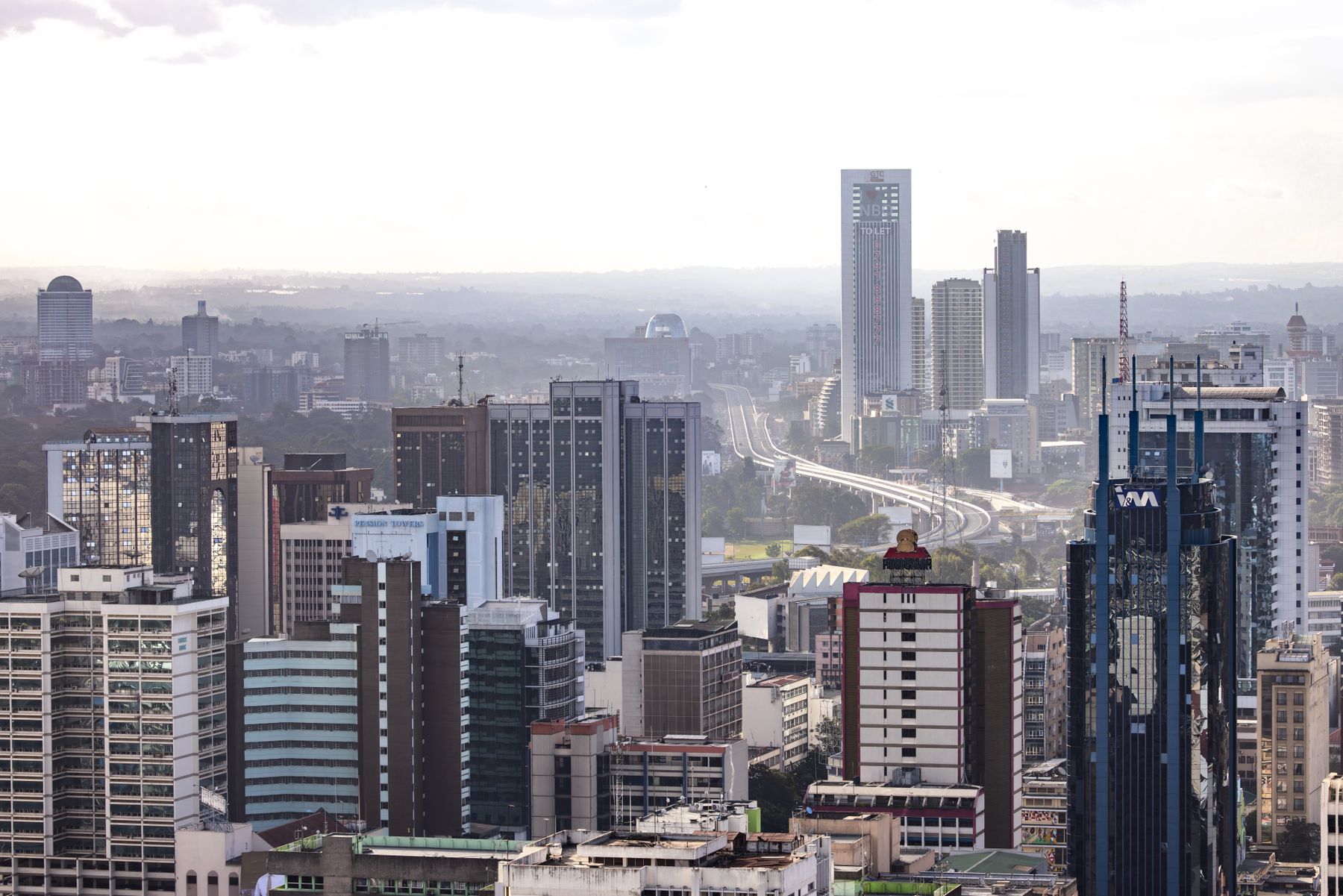
01The museum cluster within reach of the CBD
Most visits start on Museum Hill, where the Nairobi National Museum sits off Kipande Road, roughly ten minutes by taxi from Kenyatta Avenue in light traffic and closer to twenty-five when Mombasa Road backs up. Entrance is paid at the gate by card or M-Pesa, and photography without a tripod is generally allowed. The same ticket usually covers the adjacent Snake Park, so budget two to three hours for both rather than racing through in an hour.
A second, quieter cluster sits east of the CBD. The Nairobi Railway Museum on Station Road is a short walk or five-minute ride from the central station area, and Nairobi Gallery at the old PC's office on Kenyatta Avenue is small enough for forty minutes. Both reward a morning slot, when the light is better and the rooms are empty. Skip the transport museums entirely if you have only one full day — the National Museum deserves it more.
02What to carry, and what to leave in the room
Pack light: a small daypack, a refillable water bottle, and a light rain shell if you are travelling in April, May or November. Museum Hill is exposed between buildings and the afternoon showers arrive fast. Wear closed shoes because the grounds and the Snake Park paths are uneven, and carry a photocopy of your passport rather than the original. Leave laptops, large camera rigs and anything you would mourn at the hotel safe.
Cash in small notes still helps at the smaller sites and for matatu fares, even though the big museums take cards. Bring a power bank, since charging points are scarce in the galleries, and a thin scarf for air-conditioned rooms. If you plan to combine the museum with the Nairobi Arboretum across the road, add insect repellent and a hat. Sunscreen matters more than most visitors expect at 1,700 metres.
03Timing, tickets and the booking decision
Arrive at opening, usually mid-morning, and you will have the mammal halls largely to yourself. Weekdays are calmer than weekends, when Kenyan families fill the galleries. Allow forty minutes of buffer for security checks at the gate. If you are staying in Westlands, add twenty to thirty minutes each way in traffic; staying in Nairobi Central removes that entirely and lets you walk to Nairobi Gallery or catch a short ride up to Museum Hill before the crowds.
For a two-night Nairobi stop, I would book a hotel between Kenyatta Avenue and Haile Selassie Avenue, close to the central business district and the matatu links, and treat the National Museum as the anchor of one morning. Add the Railway Museum only if you have a spare afternoon. Rates in this central band typically run from modest business hotels to mid-range international properties, and the saving in taxi fares and time is real.
04Pairing the museums with the rest of the centre
The National Museum sits within walking distance of the Arboretum and a short ride from the Kenyatta International Convention Centre viewpoint, so a sensible day runs museum, lunch in the CBD, then the KICC if the queue is short. The August school holidays and the December festive season are the busiest windows; January and February are dry, clear and far easier for moving between sites. Carry cash for the small cafés near the museum, as several are card-shy.
Evening plans are simple from a central base: the walk back to a Nairobi Central hotel takes minutes rather than a negotiated fare. If your itinerary includes a day trip to the David Sheldrick Wildlife Trust or Nairobi National Park, book the early slot and return for a late museum visit, which stays quiet until closing. Skip the souvenir stalls at the museum gate and buy crafts at the Maasai Market instead, where the range is wider.
Where this page comes from
Desk research, not fieldwork. Nobody writing this stood on the corner with a stopwatch, and a page that implied otherwise would be the least trustworthy thing on the site. The specifics above came from here:
- Written for this site by its editor. No outside source is claimed for it.
Opening hours, ticketing and market days change. No hotel or operator pays to appear here.
05Questions
Do I need to book museum tickets in advance?+
Not usually. The Nairobi National Museum sells tickets at the gate and rarely fills, except on weekend afternoons and during August school holidays. Booking ahead helps mainly for group visits or guided tours, and it saves queueing in the midday sun.
How do I get from Nairobi Central to the National Museum?+
A taxi or ride-hailing car from Kenyatta Avenue takes about ten to fifteen minutes outside rush hour and longer after five. Matatus along Museum Hill are cheaper but crowded. Many central hotels will arrange a car, and the return trip is easy to flag near the main gate.
Can I pay museum entry by card?+
The larger museums generally accept cards and mobile money at the gate, but smaller sites and cafés nearby may prefer cash. Carry some Kenyan shillings in small notes as a backup, and check the payment options when you arrive rather than assuming.
What should I wear for a museum day in Nairobi?+
Comfortable closed shoes, light trousers or a skirt, and a layer for air-conditioned rooms. A light rain jacket is worth carrying from April to May and in November. Keep shoulders covered if you plan to visit nearby religious sites in the same afternoon.
Is photography allowed inside the museums?+
Handheld photography without flash is generally permitted in the main galleries, but individual exhibits and loaned pieces may be restricted. Look for posted signs and ask staff before using a tripod or filming. The Snake Park and outdoor displays are usually straightforward.
How much time should I allow at the National Museum?+
Two to three hours covers the main galleries and the Snake Park on one ticket. Add an hour if you want the temporary exhibitions or a guided walk. Visitors with a tight schedule should prioritise the mammal and human-origins halls, which are the strongest collections.
Which month is best for a Nairobi museum trip?+
January and February are dry and clear, and the long rains from late March to May make indoor museums a sensible choice. June to October is cooler and busy with wildlife travellers. December brings holiday crowds, so arrive at opening to avoid the queues.
Are there lockers or bag storage at the museums?+
Storage is limited, so travel light and leave valuables in your hotel safe. Large bags may be checked at the entrance, but do not count on it. A small daypack you can carry through the galleries is the most practical option.