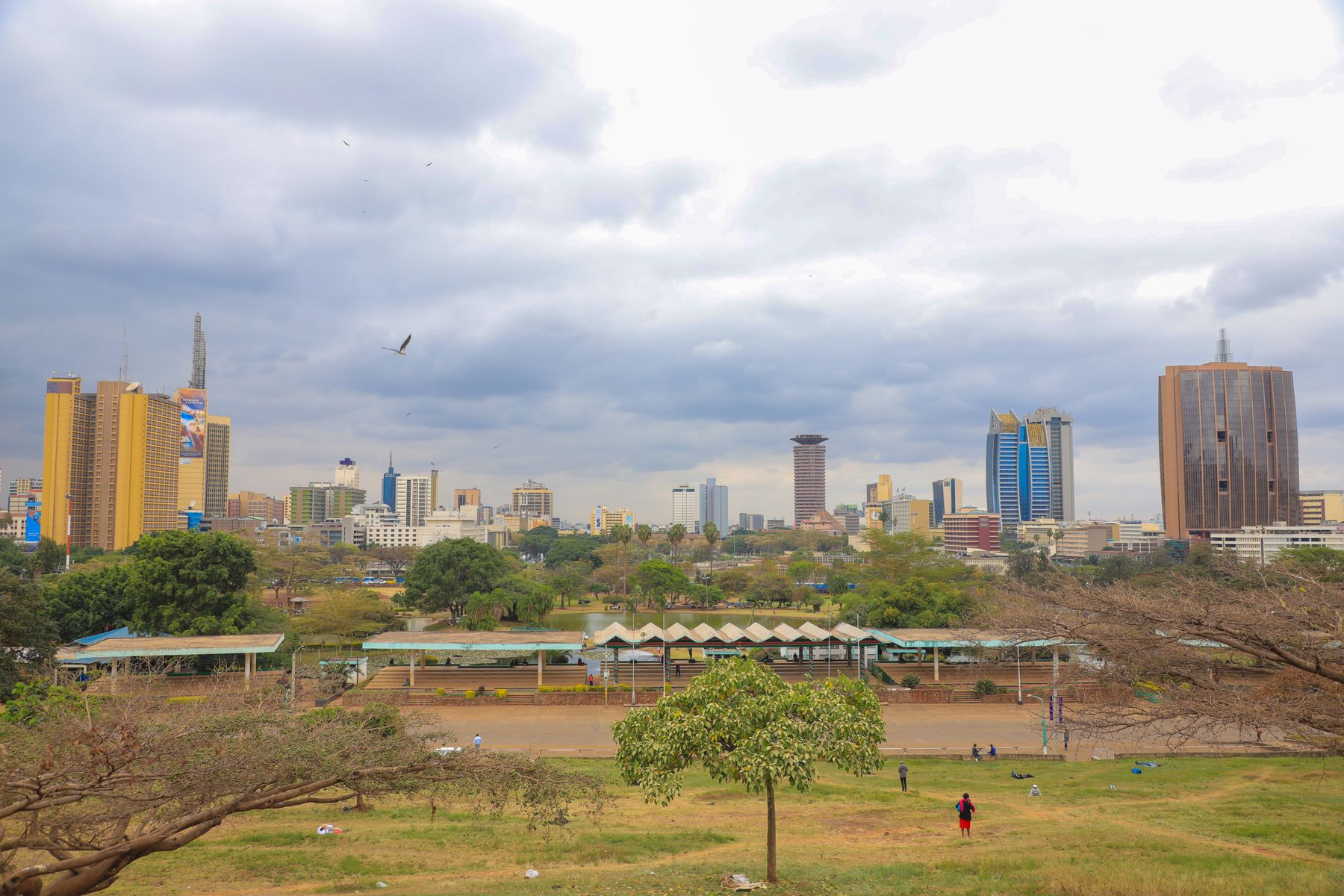
01Finding Muthurwa Market from the City Centre
Muthurwa Market sits just east of the central business district, wedged between Landhies Road and the railway line near the old Nairobi Railway Station. From Kencom or the Hilton Hotel area it is a 15 to 20 minute walk, or a short matatu ride along Landhies Road. Most city-centre hotels in the Kimathi Street and Muindi Mbingu Street cluster put you within two kilometres, which matters because traffic around the station can crawl from mid-morning. If you are staying further out in Westlands or Upper Hill, budget 20 to 40 minutes by taxi depending on the time of day.
The market is busiest from about 6am, when traders restock fresh produce, and again after 5pm as commuters pass through. Weekday mid-mornings are calmer than Saturday, which is the heaviest trading day. Sunday is quiet, with only a handful of stalls open. There is no entrance fee and no fixed opening hours, but most vendors are packing up by early evening. Wear closed shoes, keep bags in front of you, and carry small notes rather than large denominations, since change for big bills can be hard to find.
02What Is Actually Sold at Muthurwa
This is a working market, not a craft arcade. The core of it is fresh food: tomatoes, sukuma wiki, onions, potatoes, mangoes and avocados piled in plastic basins, plus dried fish, beans, maize and lentils. Around the edges you find second-hand clothing, shoes, kitchenware, fabric and household hardware. It is a good place to buy fruit for a hotel room or a picnic, and to see how Nairobi actually shops. Haggling is normal on non-food items; vegetable prices are usually fixed per heap but traders may round down if you buy several items.
You will not find much in the way of souvenirs, carvings or jewellery here. For those, head to the Maasai Market, which rotates to different venues around the city, or the City Market on Muindi Mbingu Street. Muthurwa is worth a visit for the atmosphere and the produce rather than for gifts. Photography is best kept discreet, and always ask before photographing a trader or a stall. Keep phones out of reach in crowded aisles, and avoid carrying more cash than you need for the morning.
03Getting There by Matatu, Train and on Foot
Matatus serving the eastern and southeastern routes pass along Landhies Road, and the market is a short walk from the Country Bus Station and the nearby railway station. If you are using ride-hailing apps, set the pickup and drop-off point on Landhies Road rather than inside the market lanes, where vehicles struggle to turn. Walking from the city centre is straightforward during daylight hours via Haile Selassie Avenue and then Landhies Road, but the underpasses and railway crossings are not somewhere to wander after dark.
The larger transport hubs are close by. From the Railways terminus and the adjacent bus stages, you can reach most of the city. For a smoother first visit, I would take a taxi or ride-hailing car in the morning and walk back towards the city centre afterwards, when you are familiar with the route. If you are combining stops, the Nairobi Gallery at the old provincial commissioner's building on Kenyatta Avenue and the Jamia Mosque area are both a reasonable walk away, making a natural half-day loop.
04Where to Base Yourself and What to Skip
For a first Nairobi trip built around the central markets, book in the CBD between Kimathi Street and Muindi Mbingu Street, or just south around Haile Selassie Avenue. That puts Muthurwa, City Market and the Kencom bus stage within walking distance and keeps taxi costs down. Upper Hill hotels are quieter and newer but add a 15 to 25 minute drive in traffic. Westlands suits evening restaurants but is awkward for early market mornings. Check that your hotel offers secure parking and a reliable breakfast, since early starts are the best way to see the market at its calmest.
Skip Muthurwa if you are short on time or travelling with very young children, as the aisles are narrow and uneven. Do not plan a visit for Sunday, and do not expect card payments. Bring a light rain jacket if you are travelling in April, May or November, when Nairobi's long and short rains turn the lanes muddy. Combine the market with a proper sit-down lunch back in the city centre rather than eating at the stalls, and you will have a good, realistic half-day.
Where this page comes from
Desk research, not fieldwork. Nobody writing this stood on the corner with a stopwatch, and a page that implied otherwise would be the least trustworthy thing on the site. The specifics above came from here:
- Written for this site by its editor. No outside source is claimed for it.
Opening hours, ticketing and market days change. No hotel or operator pays to appear here.
05Questions
How far is Muthurwa Market from Nairobi's city centre?+
It is roughly 1.5 to 2 kilometres east of the central business district, near Landhies Road and the railway station, about a 15 to 20 minute walk or a short matatu ride.
What is the best day and time to visit Muthurwa Market?+
Weekday mornings from about 7am to 10am are calmest and freshest. Saturday is the busiest trading day, and Sunday is very quiet with few stalls open.
Should I stay in the CBD or Westlands for a Muthurwa visit?+
Stay in the CBD near Kimathi Street or Haile Selassie Avenue for walking access. Westlands and Upper Hill add 15 to 40 minutes in traffic, which is not worth it for an early market morning.